Kvia 4H and The Museum Farm
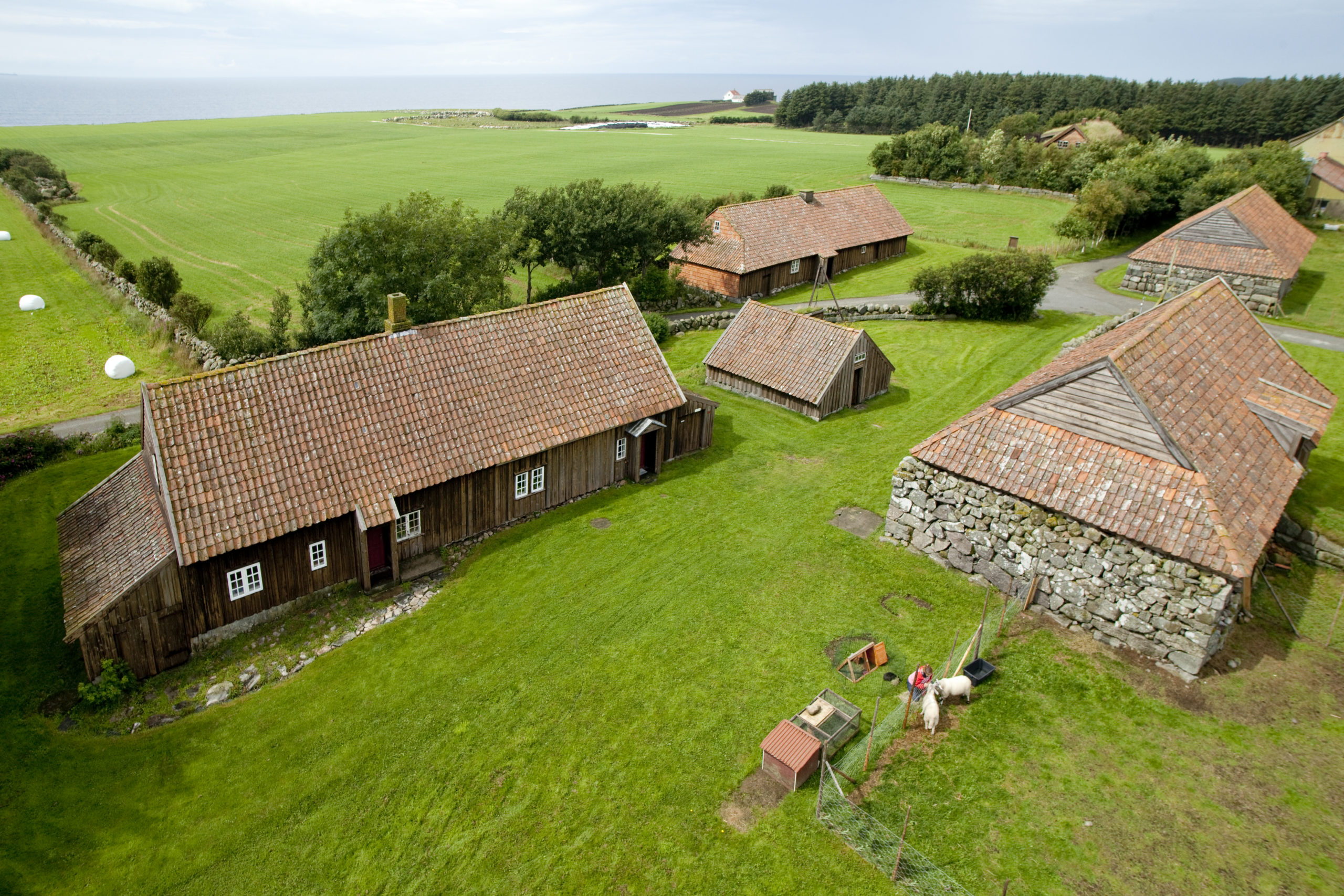
Kvia 4H and museum farm offers visitors the chance to experience farm life and typical farm animals from the early post-war period. If you’re lucky you might have the chance to help milk the cows in the barn or feed a bottle lamb?
In the summer months, the “farmer’s wife” offers a taste of traditional regional dishes and there is also the possibility to go for a drive in a horse and cart.
The original farm dates from 1878, but during the restoration work, Jærmuseet decided to focus on the period between1950-60. Therefore, changes to the facade and modifications from this period have been retained. It was during this period that tractor-power replaced horse-power in Norwegian agriculture, but most of the farms continued to focus on having mixed farming.
The main farmhouse
The interior of the main farmhouse reflects the style found in most homes of the period. Many of the older generation of visitors will recognize furniture from local producers, ornaments, pictures or even the smell? On Sundays, our museum guides, who are mainly pensioners, talk about life and work in the region during this period. Perhaps you are wondering where the bathroom, toilet or closets are? Or why one of the living rooms is much nicer than the other?
Activities
In the summer months, the ”farmer’s wife” is at home and cooks traditional regional dishes in the kitchen or in the basement.
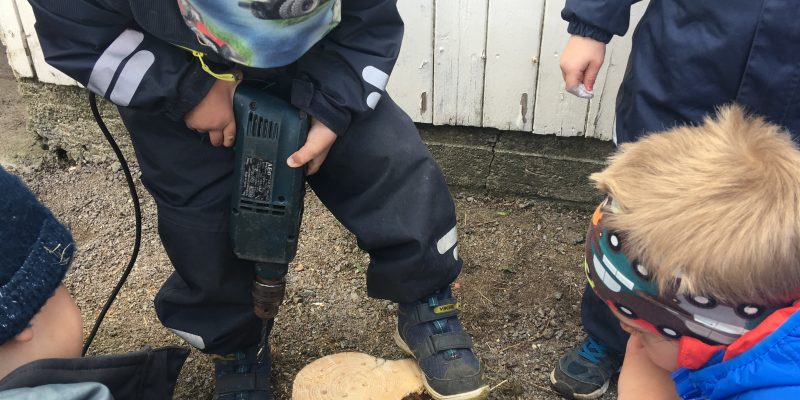
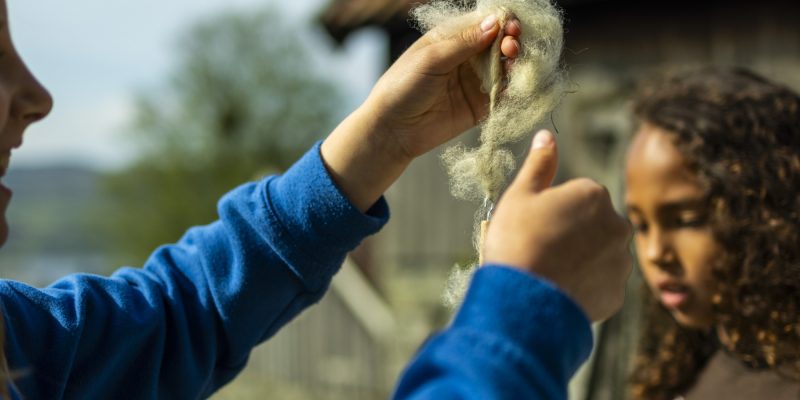
On activity days, we demonstrate old work methods, tools and machinery used in Norwegian agriculture.
The daily chores on the farm depend on the work needing done and the season.
Farm animals
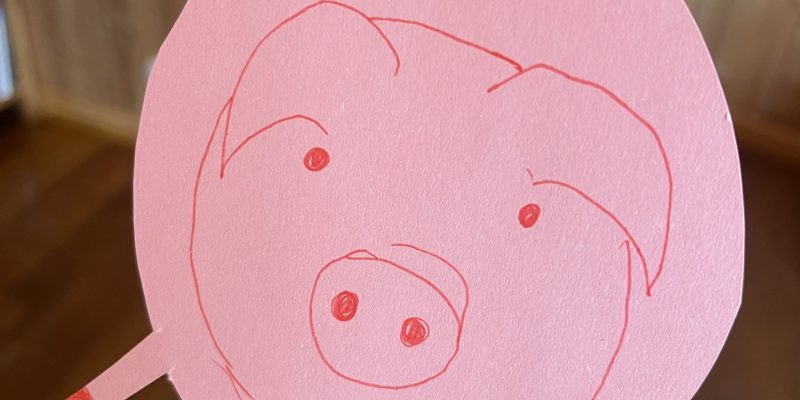
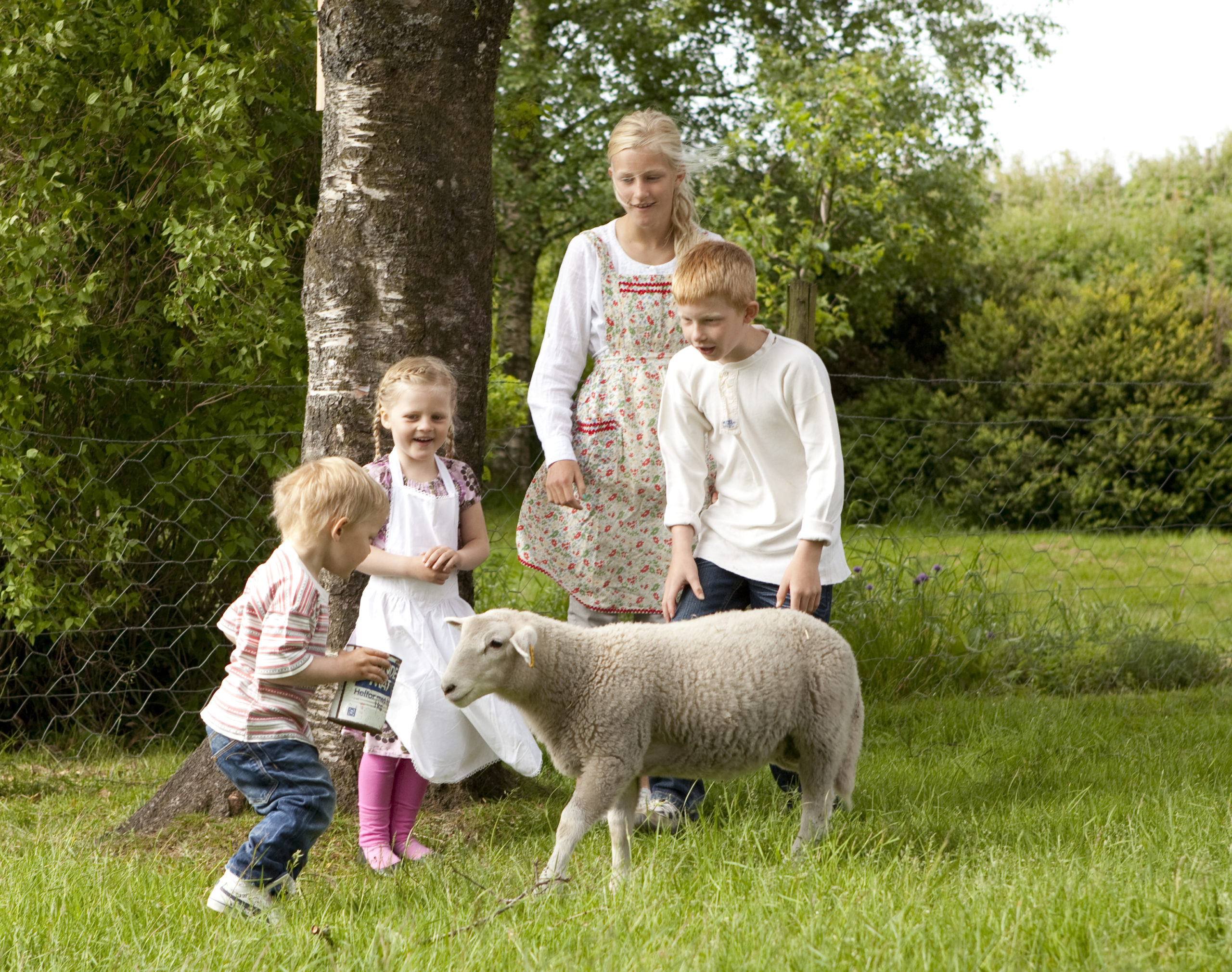
The farm has farm animals that were typical for the region between the years 1950 - 1960. People of all ages have the opportunity to come in close contact with cattle, horses, pigs, hens and sheep. In the summer months, the animals will be out to pasture around the house, but in the winter months most of the animals are kept in the barn. The farm also has its own beehives, which produce honey for sale. Visitors can also observe the bees inside, in the exhibition in the museum building.